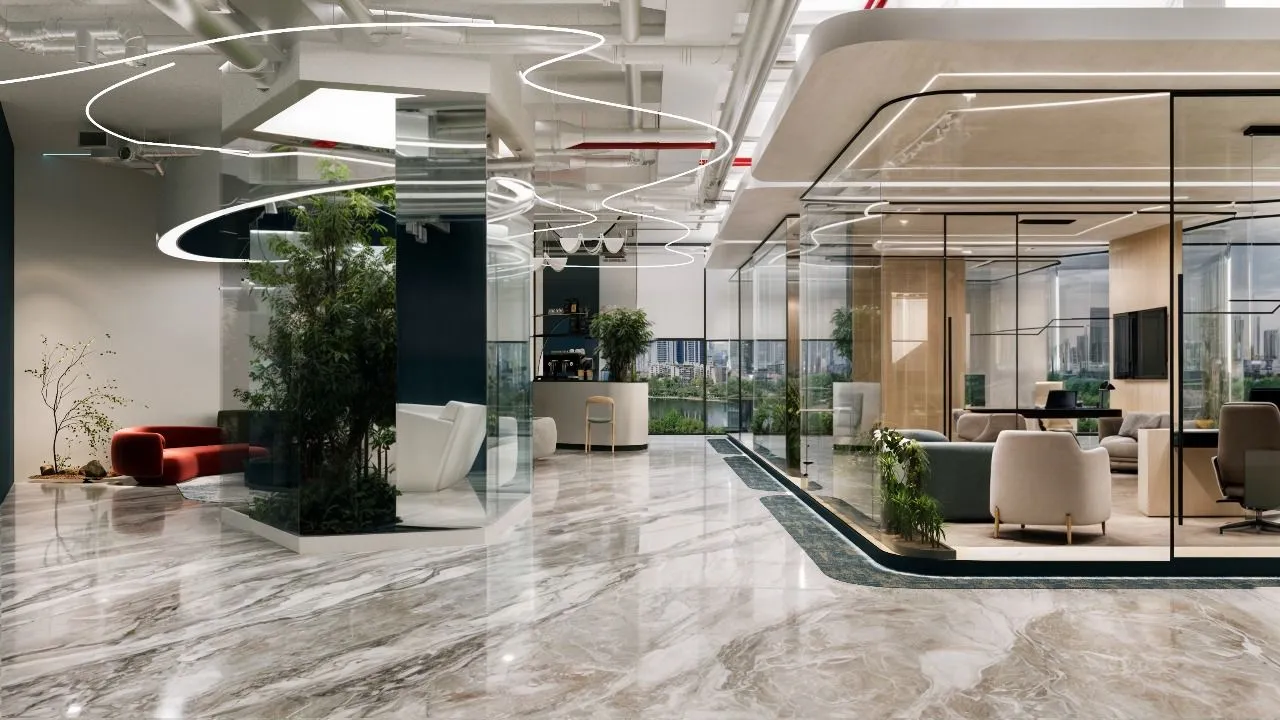
6 Ways To Use Negative Space In Interior Design
Empty rooms hold unlimited design potential. Visual breathing room creates calm and order in any space. Clever use of empty areas turns a house into a comfortable home. Strategic voids direct the eye and give furniture room to shine. This approach produces a refined look with minimal effort.
An experienced interior design company in UAE knows these techniques and follows them at all times.
Empty walls create focus:
A bare wall offers a visual pause in a busy room. This pause allows the eye to rest and appreciate key pieces like a sofa or a painting. Placing furniture away from the wall establishes a deliberate gap. This gap makes the room appear larger and more intentional. Empty wall space also highlights architectural details like crown molding or tall windows.
Furniture placement with gaps:
Spacing furniture apart changes the whole room dynamic. Pushing everything against the wall makes a space feel like a waiting area. Pulling seating away from walls creates intimate conversation zones. This gap between pieces allows traffic to flow smoothly. The resulting open floor area feels spacious and uncluttered.
Single statement piece per area:
One bold item deserves complete visual attention. A sculptural lamp or an oversized mirror needs breathing space. Surrounding that piece with empty floor or wall space gives it importance. This approach prevents visual chaos and lets each object perform. Cluttered surfaces dilute the impact of beautiful things.
Light and shadow play:
Empty areas capture and reflect natural light beautifully. Sunlight travels across open floor space and brightens dark corners. Shadows fall across bare walls to add depth and texture. This interaction between light and empty surfaces creates a dynamic environment. The room feels alive with changing daylight patterns.
Negative space in storage solutions:
Open shelving benefits from gaps between displayed objects. Leaving empty spots among books and vases prevents a cluttered look. This spacing makes each item readable and appreciated. Closed cabinets with simple flat fronts offer visual quietness. The contrast between full and empty storage keeps the eye moving comfortably.
Floor space as a design element:
Leaving large floor areas uncovered creates a sense of luxury. A rug that stops short of walls defines a specific zone. This exposed flooring shows off beautiful wood or tile patterns. Empty floor space also makes the room feel larger than reality. The uncovered ground becomes a design feature itself.